How to Remove a Big Tree Safely Without Putting Your Home at Risk
Large tree removal can be dangerous if you do not plan it the right way. The safest approach is to inspect the tree, clear the work area, use proper safety gear, and cut the tree down in controlled sections instead of all at once. Most injuries happen when people rush or underestimate the weight of large limbs. If a tree is close to your home, power lines, or a fence, extra care is needed before any cutting begins.
What You Need Before Starting
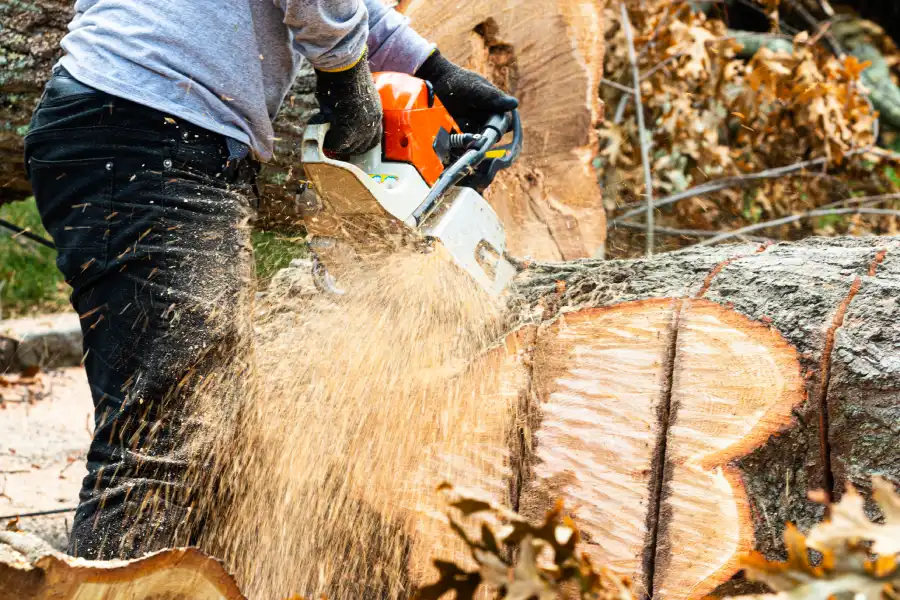
Before starting any large tree removal project, make sure you have the right tools and space to work. Big trees can weigh thousands of pounds. One wrong cut can cause major damage.
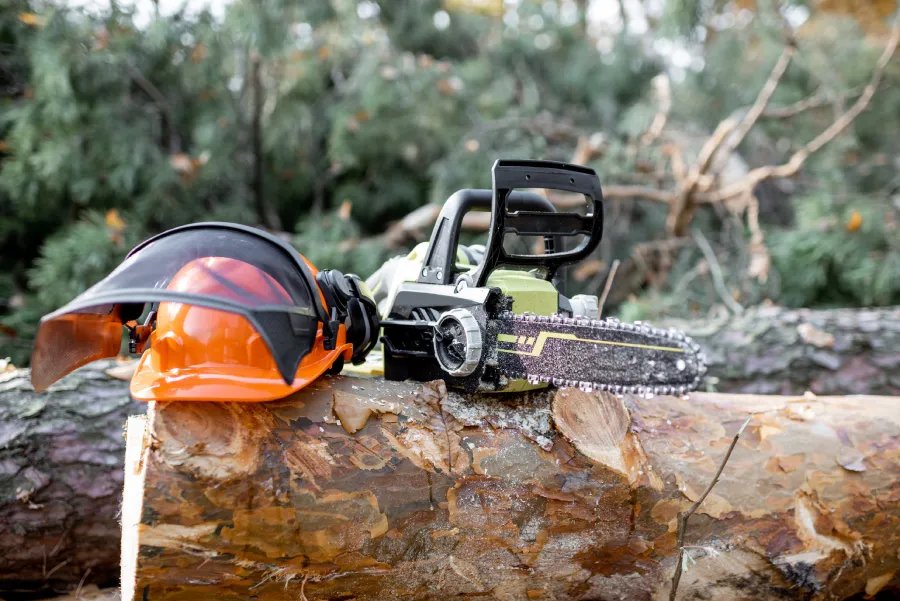
- Hard hat and eye protection
- Cut-resistant gloves and sturdy boots
- Chainsaw with a sharp chain
- Ladder rated for outdoor use
- Ropes for guiding falling limbs
- Clear, open drop zone
You should also check the weather. Wind makes tree cutting much more risky. Wet ground can cause slips. If the tree is near overhead power lines, stop and call the electric company before doing anything.
Step-by-Step Process for Safer Large Tree Removal
Removing a large tree should never be done in one single cut. Breaking it down into sections reduces danger.
- Inspect the tree for dead limbs, cracks, or lean direction.
- Clear the area around the trunk and plan an escape path.
- Remove small exterior branches first.
- Cut larger limbs in small sections from top to bottom.
- Use ropes to control heavy branches.
- Make a controlled notch cut on the trunk facing the fall direction.
- Finish with a back cut while standing to the side.
Always stand out of the direct fall path. Keep bystanders and pets far away. Take breaks if you feel tired. Fatigue leads to mistakes.
Common Mistakes to Avoid
Many homeowners get hurt because they rush or skip steps. Here are frequent errors during large tree removal:
- Cutting too much of the trunk at once
- Ignoring the tree’s natural lean
- Standing directly behind the saw
- Working alone without someone nearby
- Using dull or damaged equipment
Another common issue is underestimating how far branches can swing. Even a medium-sized limb can crush a fence or window.
When to Call a Professional
Some situations are too risky for DIY work. If the tree is taller than your home, leaning toward a building, or tangled in wires, do not attempt removal alone. Trees with internal rot can split without warning. Storm-damaged trees are also unstable.
Hiring a tree service company may cost more upfront, but it can prevent serious injury and property damage. Professionals use advanced rigging systems and have training for controlled removal in tight spaces.
Final Recommendation and Help in St. Louis, MO
If you are dealing with a risky removal job in St. Louis, MO, safety should always come first. At K V Tree Service LLC, we handle large tree removal projects using trained crews and specialized equipment to protect your home and yard. We also provide safe cutting and full cleanup as part of our tree services. If you are unsure about tackling a big tree on your own, call us at (314) 279-9965 and we will walk you through the next steps.